
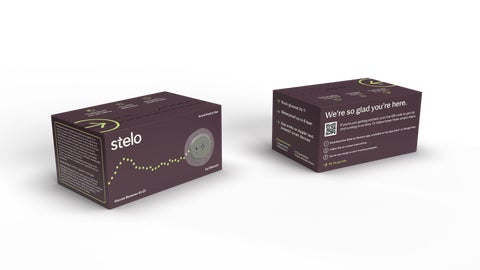
The FDA has cleared Dexcom’s Stelo Glucose Biosensor System as the first over-the-counter continuous glucose monitor indicated for children. The clearance expands Stelo’s use to people 2 years of age and older who do not use insulin, after the device was first cleared for adults in March 2024.
Stelo is designed for people with diabetes who do not use insulin, including those using oral medications, as well as people who want to better understand how food, exercise, and other lifestyle choices affect glucose levels. The wearable sensor pairs with a smartphone app and displays glucose measurements and trends every 15 minutes. Each sensor lasts up to 15 days, though wear time may be shorter in pediatric users.
One practical advantage of Stelo is that its data can flow into Dexcom Clarity. As a Stelo user myself, I can log in to Clarity and view my own reports. Because I have sharing enabled, my endocrinology team can also view my CGM data through their clinical Clarity account, alongside data from other Dexcom users who have chosen to share. That matters because CGM data can become part of the care conversation, not just something the user sees privately in an app.
Although the Stelo app displays glucose values within a narrower range than Dexcom’s full-featured prescription CGMs, the connection to Clarity can still support more detailed review over time. For families using Stelo with children, that may help parents, caregivers, and clinicians discuss glucose patterns, meal responses, activity effects, and other trends using more than isolated readings or memory.
There are important limits. Stelo is not intended for people who use insulin, people with problematic hypoglycemia, or people on dialysis. Children who use insulin or medications that can cause hypoglycemia may need a prescription CGM with real-time low-glucose alerts rather than Stelo. Stelo reports can be viewed in Dexcom Clarity and shared with a child’s care team, but Stelo does not include the same real-time caregiver Follow app available with Dexcom’s prescription CGMs. Caregivers should also confirm with a blood glucose meter when symptoms do not match what the app shows and seek medical advice when appropriate. The FDA says children should use the device under adult caregiver supervision, and users should consult a healthcare provider before making medication changes based on CGM data.
Why This Matters
This clearance expands access to CGM technology beyond prescription-only use and brings over-the-counter glucose insights to pediatric users for the first time.
For families managing non-insulin diabetes, prediabetes risk, or lifestyle-related glucose concerns, Stelo may offer a clearer view of glucose patterns than occasional fingerstick readings alone. The ability to connect that data to Dexcom Clarity adds another layer of usefulness because families may be able to share reports with their care team and review trends over time.
Stelo is not a replacement for medical care, and it is not designed for people who need real-time low-glucose alerts. But for the pediatric users covered by this clearance, it gives families another tool for understanding what is happening between clinic visits.
Sources
U.S. Food and Drug Administration. FDA Clears First Over-the-Counter Continuous Glucose Monitor for Children.
Fierce Biotech. FDA clears Dexcom’s Stelo OTC glucose monitor for use with children.
Pharmacy Times. FDA Clears First OTC Continuous Glucose Monitor for Children: What Pharmacists Need to Know.