

A look at the science that explains why exercise improves glucose regulation even when insulin cannot.
Abstract
Professor Juleen R. Zierath has spent more than three decades uncovering how exercise reshapes muscle metabolism and why these mechanisms matter for people with obesity or type 2 diabetes. Her work demonstrates that insulin resistance originates in skeletal muscle and that exercise can bypass this defect through alternative pathways that enhance glucose uptake. By connecting molecular biology, circadian timing, gene regulation, and real-world physiology, she has built a foundation for more personalized approaches to metabolic health. Her research offers insight into why movement remains one of the most effective tools for improving glucose regulation and overall metabolic function.
Key Points
Read more: Professor Juleen R. Zierath: Three Decades of Showing How Exercise Changes Metabolism
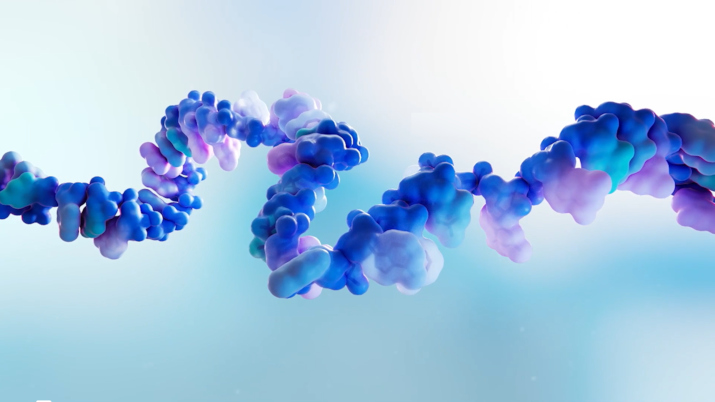
A plain-language guide to how mRNA works and why it matters for future health care
Abstract
mRNA vaccines work by delivering temporary instructions that help the body produce a harmless protein and build immune protection—without using live viruses or altering DNA. Backed by decades of research, this approach offers a safe, flexible alternative to traditional vaccines. Clear explanations dispel common misconceptions and highlight how mRNA technology could one day support treatments for chronic conditions like type 2 diabetes.
Key Points
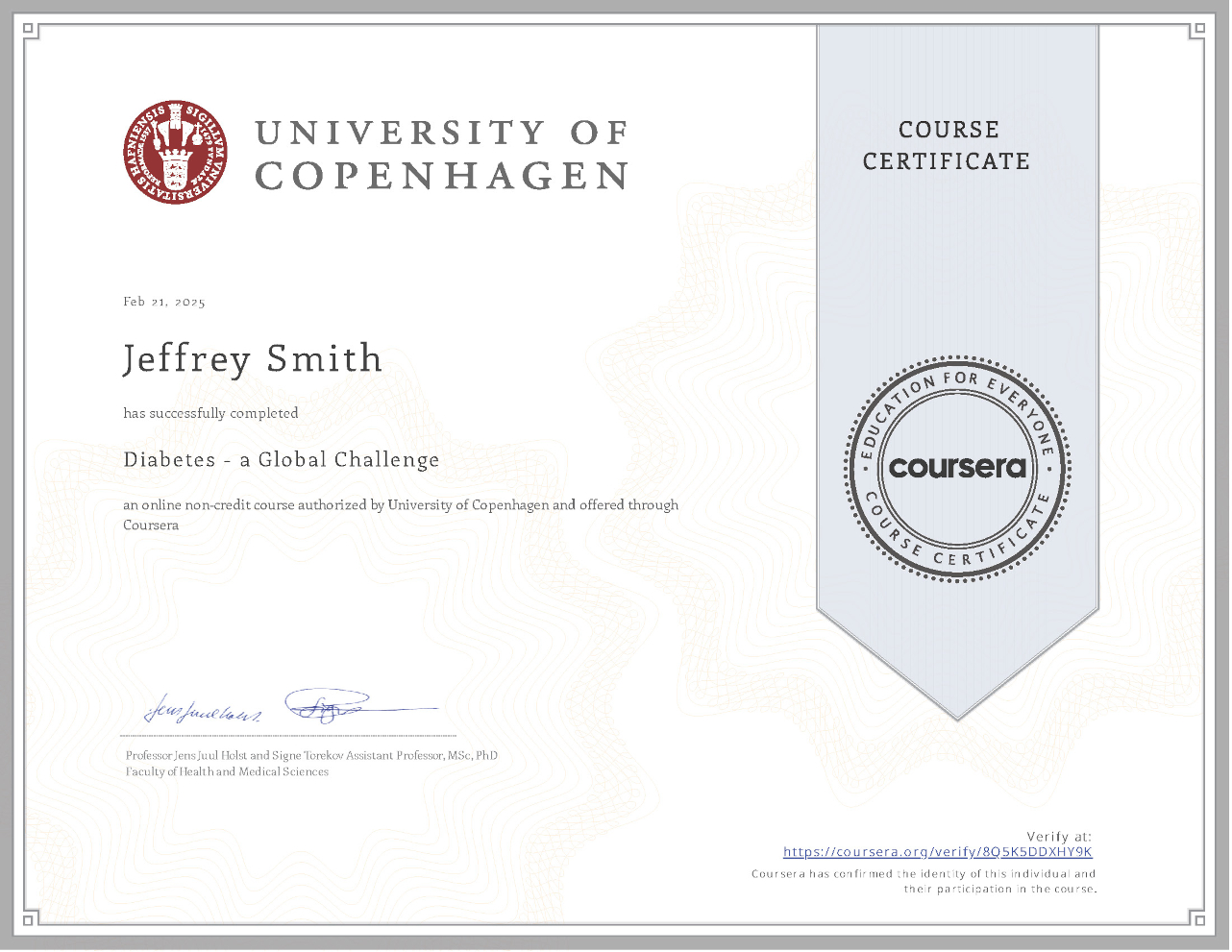
I’m pleased to share that I’ve successfully completed Diabetes – A Global Challenge, an online course authorized by the University of Copenhagen and offered through Coursera. The content goes well beyond the basics, covering genetic factors, inflammatory processes, stem cell-based therapies, and the development of antidiabetic agents.
Read more: Successfully Completed: Diabetes – A Global Challenge