
Liraglutide is a glucagon-like peptide-1 (GLP-1) analogue developed by Novo Nordisk for the treatment of type 2 diabetes and obesity. The discovery and development of liraglutide were driven by the need to extend the half-life of GLP-1 to make it therapeutically effective. Novo Nordisk's approach involved creating a molecule with reversible binding to albumin, which would allow for systemic protraction of the GLP-1 analogues.
Lotte Bjerre Knudsen played a pivotal role in the invention of liraglutide. As a key researcher and later as Head of Research and Chief Scientific Officer at Novo Nordisk, she contributed significantly to the understanding of GLP-1's effects on glycemic control and body weight regulation. Her work included characterizing liraglutide's effects in various animal models and documenting its impact on insulin, glucagon, and glucose lowering. Knudsen's research also explored the effects of liraglutide on the arcuate nucleus of the brain, which mediates the drug's weight loss effects.
Liraglutide was approved for the treatment of type 2 diabetes in 2010 and has since been used to improve glycemic control in patients. It works by enhancing the secretion of insulin in response to elevated blood glucose levels, suppressing glucagon secretion, and slowing gastric emptying. Clinical trials have demonstrated that liraglutide effectively reduces body weight when combined with lifestyle counseling, with an average weight loss of 8.9 to 13.3 pounds over one year. The drug has also been shown to improve cardiometabolic markers such as blood pressure, waist circumference, body mass index, and A1c levels.
Approved for obesity treatment in 2014, liraglutide is administered at higher doses (2.4 mg or 3.0 mg per day) compared to the lower doses (1.2 or 1.8 mg/day) used for diabetes management. It has been shown to produce clinically significant and sustained weight loss for as long as it is used, although common adverse side effects include nausea and vomiting. Liraglutide's safety and efficacy as a glucose-lowering agent and a weight-reduction drug have been well-documented, and it has also been found to reduce cardiovascular events and positively affect blood pressure and lipid profiles.
The development of liraglutide at Novo Nordisk, with significant contributions from Lotte Bjerre Knudsen, has provided an effective treatment option for individuals with type 2 diabetes and obesity, addressing both glycemic control and weight management.
Frequently Asked Questions
What were the specific challenges and breakthroughs in the research and development process of Liraglutide?
Developing Liraglutide involved overcoming challenges such as ensuring its stability and activity in the human body, extending its half-life for once-daily dosing, and minimizing side effects. Breakthroughs included modifying the GLP-1 molecule to resist degradation by peptidases and enhancing its binding affinity to the GLP-1 receptor.
How has Liraglutide's introduction impacted the overall treatment landscape for type 2 diabetes and obesity?
Liraglutide significantly impacted the treatment of type 2 diabetes and obesity by offering a therapy that not only improves glycemic control but also aids in weight loss. Its introduction has led to a greater focus on treatments that address multiple aspects of these conditions.
What are the long-term effects and safety profile of Liraglutide based on post-market studies?
Post-market studies and long-term clinical trials have shown that Liraglutide maintains its efficacy in glycemic control and weight loss over time. Its safety profile is generally favorable, but like all medications, it comes with risks of side effects, which healthcare providers weigh against its benefits.
Obesity has long been viewed as a lifestyle disease, with the "eat less, move more" mantra dominating treatment recommendations for over half a century. However, the global prevalence and severity of obesity continues to rise, prompting the development of new anti-obesity medications (AOMs) like glucagon-like peptide-1 receptor agonists. Amid the media frenzy surrounding these "game changers," some may wonder if lifestyle-based treatments for obesity will become obsolete. However, the reality is that medical and behavioral approaches to obesity treatment are complementary and must coexist to make a significant impact on the obesity epidemic.
The Limitations of Behavioral Approaches
While lifestyle-based treatments have been the cornerstone of obesity management, they often yield modest weight outcomes with substantial variability in effectiveness and durability. These approaches do not address the physiology of obesity, including the gut-brain connection and other systems involved in weight and appetite regulation. When weight loss occurs, the body triggers counterregulatory physiological cues that persist well into the weight-maintenance phase. Instead of identifying this physiology as the culprit, the field has often blamed a "lack of behavioral compliance" for poor treatment response or weight regain, contributing to stigma and shaming of those with obesity.
Moreover, individually focused behavioral interventions cannot address the patient's external environment, such as economic stability, access to resources, social and community context, and the built environment. Without equitable environment-level changes that address the social determinants of health, reliance on individual behavior changes to treat obesity may contribute to further increases in prevalence and widening disparities.
The Role of Anti-Obesity Medications
Newer AOMs, boasting impressive safety and weight loss profiles, are increasingly viewed as attractive options for long-term weight management. For instance, the SURMOUNT trial demonstrated a greater than 20% mean reduction in weight at 72 weeks in a group of patients receiving a 15-mg weekly dose of tirzepatide, without a traditional intensive lifestyle intervention.
AOMs like tirzepatide and semaglutide impact physiological pathways and symptoms that otherwise make it difficult to initiate and sustain clinically significant weight loss. While they cannot change a patient's external environment, they may alter one's response to that environment, resulting in durable weight loss despite the persistence of external challenges.
A New Approach: Combining Lifestyle Changes and Medications
Even in this era of next-generation AOMs, lifestyle and behavior change still play a critical role in improving population health outcomes. Healthy lifestyle behaviors, including adopting healthful dietary patterns, reducing sedentary time, engaging in regular physical activity, and receiving sufficient, good quality sleep, have numerous benefits, from cardiovascular protection to improved mental health.
For patients with obesity, effective medical or surgical treatment should not be withheld pending a patient's behavioral "failure" or discontinued upon reaching a weight goal. The underlying disease of obesity, much like hypertension, has not been "cured" per se. For patients not interested in weight loss, lifestyle intervention may be a sufficient intervention for preventing additional weight gain.
Lifestyle behavioral therapy could also help achieve "quality" in weight loss, not just the "quantity" that is so appealing with modern AOMs. With weight loss substantially empowered by AOMs, lifestyle behavioral therapy could be refocused as a tool to optimize nutrition and physical activity to improve overall health during weight loss.
Conclusion
The future of obesity treatment will likely feature AOMs, but they will not address the widespread pathologies of our food and lived environments. Healthy lifestyles for all people, irrespective of body mass index, should be supported using individual, policy, systems, and environmental approaches that address the social determinants of health and are responsive to community needs. As a field, obesity medicine must move away from the toxic "lifestyle versus medical therapy" debate. Our patients will benefit most if we can learn to pair lifestyle interventions with pharmacotherapy to both optimize health outcomes and help them maintain lower body weights.
Frequently Asked Questions
What are the specific side effects associated with the mentioned anti-obesity medications (AOMs), such as tirzepatide and semaglutide, and how do they vary among different patients?
Common side effects of medications like tirzepatide and semaglutide include gastrointestinal issues such as nausea, vomiting, diarrhea, and constipation. These effects can vary among patients, with some experiencing mild symptoms and others having more severe reactions. Specific side effects depend on the individual's health condition, dosage, and other medications they might be taking.
How do lifestyle interventions and AOMs compare in terms of cost-effectiveness and accessibility for the average patient?
The cost-effectiveness and accessibility of lifestyle interventions versus AOMs can vary widely. Lifestyle interventions may require significant personal time and effort but minimal financial cost. In contrast, AOMs can be expensive and may not be covered by insurance in all cases, making them less accessible to some patients.
Are there any long-term studies or data on the effects of combining lifestyle changes with AOMs on obesity-related comorbidities, such as type 2 diabetes, heart disease, and certain types of cancer?
Long-term studies specifically addressing the combined effects of lifestyle changes and AOMs on obesity-related comorbidities are limited. However, both strategies independently have shown benefits in reducing the risk of conditions like type 2 diabetes, heart disease, and certain cancers. The synergistic effects of combining these approaches warrant further investigation.
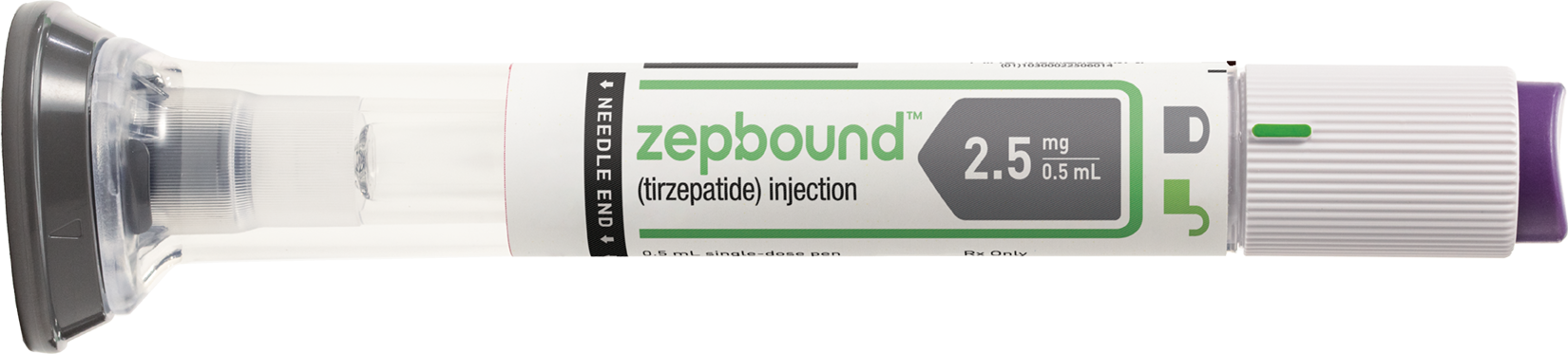
The U.S. Food and Drug Administration (FDA) has given its approval to a new drug, tirzepatide, developed by Eli Lilly, for the treatment of obesity. The drug will be marketed under the brand name Zepbound. This approval comes after tirzepatide was previously approved in May 2022 for the management of type 2 diabetes, where it was marketed as Mounjaro.
Zepbound is intended for individuals with obesity, defined as a body mass index (BMI) of 30 or greater, or for those who are overweight and have at least one weight-related condition such as high blood pressure, high cholesterol levels, type 2 diabetes, obstructive sleep apnea, or cardiovascular disease. The drug is prescribed alongside dietary and exercise changes. In clinical trials, patients who received the maximum dose of tirzepatide lost an average of 21% of their body weight, compared to about 3% average weight loss in the placebo group.
This development is significant in the pharmaceutical industry as it intensifies the competition between Eli Lilly and Novo Nordisk, two companies that dominate the market for this class of drugs, known as glucagon-like peptide-1 (GLP-1) receptor agonists, used in the treatment of type 2 diabetes and now obesity. Both companies have been leading the race in the weight-loss drug market, which is expected to be worth $100 billion by the end of the decade.
The approval of Zepbound is expected to increase Eli Lilly's market share, potentially bringing it closer to a 50% share by the end of 2024. This would put it on par with Novo Nordisk, which also has a significant presence in the market with its own GLP-1 receptor agonist, semaglutide, marketed as Wegovy.
However, it's important to note that the rivalry between these two companies is not just about market share. It's also about innovation and the development of more effective treatments for obesity and type 2 diabetes. Both companies are continuously researching and developing new drugs and are even conducting head-to-head trials to compare the effectiveness of their respective drugs.
The FDA's approval of Zepbound for the treatment of obesity is a significant development in the pharmaceutical industry. It not only provides a new treatment option for individuals struggling with obesity, but it also intensifies the competition between Eli Lilly and Novo Nordisk, two companies that dominate the market for GLP-1 receptor agonists. This competition is expected to drive further innovation and development of more effective treatments for obesity and type 2 diabetes.
Frequently Asked Questions
What are the potential side effects of tirzepatide for patients using it for obesity treatment?
Common side effects of GLP-1 receptor agonists like tirzepatide can include gastrointestinal issues such as nausea, vomiting, diarrhea, and sometimes more serious concerns like pancreatitis. However, specific side effects of tirzepatide should be consulted in the product's prescribing information.
How does tirzepatide's mechanism of action for obesity compare to other GLP-1 receptor agonists, specifically in how it promotes weight loss?
Tirzepatide works by mimicking the action of GLP-1, enhancing insulin secretion, suppressing glucagon secretion, and slowing gastric emptying. Its unique aspect may involve dual incretin action (GLP-1 and GIP), potentially offering enhanced weight loss benefits compared to other GLP-1 agonists.
What are the long-term outcomes and durability of weight loss in patients treated with tirzepatide, and are there any studies comparing its long-term effectiveness with lifestyle changes alone or in combination with other medications?
Long-term studies are critical for understanding the durability of weight loss with tirzepatide. It's anticipated that ongoing research will compare its effectiveness over time with lifestyle modifications and other medications, assessing weight maintenance and any cardiovascular benefits.
GLP-1 RAs are a class of drugs used to manage blood glucose levels in patients with type 2 diabetes. They work by mimicking the human incretin hormone GLP-1, which reduces gastric emptying, appetite, and food intake, and increases glucose-dependent insulin secretion. However, these drugs are not recommended for people who experience symptoms of gastroparesis, as they can exacerbate the symptoms.
Gastroparesis, also known as stomach paralysis, is a condition where the stomach cannot empty itself of food in a normal fashion. It can be caused by various factors, including nerve damage due to high blood sugar levels, surgery complications, side effects of other medications, or it may have no identifiable cause. Symptoms include a feeling of excessive fullness after eating, which can last for hours or even overnight, and in severe cases, vomiting of undigested food hours after eating.
Recently, lawsuits have been filed against the manufacturers of Ozempic and Mounjaro, Novo Nordisk and Eli Lilly, alleging that these drugs cause gastroparesis. The plaintiffs argue that the companies failed to warn patients about the risk of severe gastrointestinal events, including gastroparesis. However, some experts argue that these drugs only cause a temporary delay in stomach emptying, not gastroparesis.
The lawsuits and the debate around them highlight the complexity of the issue. While GLP-1 RAs have been shown to slow gastric emptying, it's unclear whether this effect could lead to gastroparesis. Furthermore, these drugs have been associated with gastrointestinal adverse events, but it's not clear whether these events are severe enough to be classified as gastroparesis.
While there are concerns about the potential link between GLP-1 RAs and gastroparesis, more research is needed to fully understand this relationship. In the meantime, the lawsuits against Novo Nordisk and Eli Lilly will likely shed more light on this issue as they progress.
Frequently Asked Questions
What specific research studies or clinical trials have been conducted to investigate the link between GLP-1 RAs and gastroparesis, and what were their findings?
It's common for research in this area to involve clinical trials and observational studies to assess the incidence and severity of gastroparesis symptoms in patients treated with GLP-1 receptor agonists. These studies typically compare gastric emptying times, patient-reported outcomes, and adverse event profiles before and after treatment.
Are there any recommended management strategies or treatments for patients with type 2 diabetes who develop gastroparesis after using GLP-1 RAs?
For patients who develop gastroparesis after using GLP-1 RAs, management strategies might include adjusting the dosage or discontinuing the GLP-1 RA, using medications to enhance gastric motility, dietary modifications, and, in severe cases, surgical interventions. However, specific recommendations can vary based on individual patient needs and the severity of symptoms.
How do healthcare providers decide whether the benefits of prescribing GLP-1 RAs outweigh the potential risks of gastroparesis for individual patients?
Healthcare providers consider several factors when deciding on the use of GLP-1 RAs, including the severity of the patient's diabetes, their cardiovascular risk profile, potential side effects, and the patient's overall health status. They balance the benefits of improved glycemic control and potential weight loss against the risk of gastrointestinal side effects, including the risk of gastroparesis, based on the latest evidence and guidelines.
Type 2 diabetes is a chronic condition that affects the way your body metabolizes sugar (glucose), your body's main source of fuel. Managing this condition can be challenging, but recent advancements in medication have provided new ways to control blood sugar levels. One such advancement is the development of Glucagon-Like Peptide 1 (GLP-1) receptor agonists.
What are GLP-1 Receptor Agonists?
GLP-1 receptor agonists are a class of drugs that mimic the functions of natural GLP-1 in the body. They stimulate the release of insulin, suppress the secretion of glucagon (a hormone that raises blood sugar levels), slow gastric emptying, and increase satiety (the feeling of fullness), all of which help to control blood glucose levels.
How Do GLP-1 Receptor Agonists Work?
GLP-1 receptor agonists work by activating GLP-1 receptors in the pancreas, leading to enhanced insulin release and reduced glucagon release. These responses are glucose-dependent, meaning they occur only when blood glucose levels are elevated. This mechanism of action significantly reduces the risk of hypoglycemia (low blood sugar), a common concern with some other diabetes medications.
In addition to their effects on the pancreas, GLP-1 receptor agonists also act on the central nervous system and the gastrointestinal tract, leading to reduced appetite and slowed gastric emptying. This can contribute to weight loss, which is beneficial for many individuals with type 2 diabetes.
Benefits of GLP-1 Receptor Agonists
GLP-1 receptor agonists offer several benefits for individuals with type 2 diabetes:
Side Effects and Considerations
While GLP-1 receptor agonists can be very effective, they have potential side effects. The most common side effects are gastrointestinal, including nausea, vomiting, and diarrhea. However, these side effects are usually transient and tend to decrease with continued use of the medication. Other common side effects include injection site reactions and headache.
Despite these side effects, GLP-1 receptor agonists have a favorable safety profile and are generally well-tolerated.
Summary
GLP-1 receptor agonists represent a significant advancement in the management of type 2 diabetes. By mimicking the action of natural GLP-1, these medications help to regulate blood sugar levels, promote weight loss, and reduce the risk of cardiovascular disease. As with any medication, it's important to discuss the potential benefits and risks with your healthcare provider to determine if GLP-1 receptor agonists are a good choice for you.
Frequently Asked Questions
What are the long-term effects of using GLP-1 receptor agonists for managing Type 2 Diabetes?
The long-term effects of using GLP-1 receptor agonists for Type 2 Diabetes management can include sustained blood sugar control, weight loss, and potentially reduced risk of heart disease, but long-term studies are needed to fully understand all effects.
How do GLP-1 receptor agonists compare to other diabetes treatments in terms of effectiveness, side effects, and cost?
Comparing GLP-1 receptor agonists to other diabetes treatments, they often offer the benefit of weight loss with a lower risk of hypoglycemia, though cost and administration (usually by injection) differ.
Are there specific criteria or conditions that make a person more suitable or unsuitable for treatment with GLP-1 receptor agonists?
Eligibility for GLP-1 receptor agonist treatment typically depends on individual health profiles, including blood sugar levels, body weight, and any coexisting health conditions. For more detailed insights, it's recommended to consult healthcare professionals.
Page 9 of 10