Individuals diagnosed with diabetes are at a significantly higher risk of developing eye conditions that can lead to vision loss. In fact, people with diabetes are 25 times more likely to experience blindness compared to those without the condition. Diabetic retinopathy, a leading cause of blindness in adults of working age, along with other eye disorders such as glaucoma and cataracts, tend to occur more frequently and at an earlier age in those with diabetes.
The Importance of Regular Eye Exams
To safeguard against diabetes-related vision loss, it is crucial for those with diabetes to undergo a comprehensive dilated eye exam annually. This type of exam is vital because many eye problems do not present obvious symptoms in the early stages and can only be detected through a thorough examination. For individuals with type 1 diabetes, it is recommended to have this exam within five years of diagnosis and annually thereafter. Those with type 2 diabetes should have a dilated exam soon after diagnosis due to the possibility of having lived with undiagnosed diabetes for years, which could have put their eyes at risk.
Managing Diabetes: The ABCs
The ABCs of diabetes—A1c, Blood pressure, and Cholesterol—are key factors in managing diabetes and reducing the risk of complications:
Additional Tips for Diabetes Management
When to Contact Your Eye Doctor
Any changes in vision, such as blurriness, spots, redness, or pain, should prompt immediate contact with an eye doctor. Early detection and treatment are key to preventing serious vision loss.
Managing diabetes effectively involves regular monitoring of blood sugar, blood pressure, and cholesterol levels, as well as maintaining a healthy lifestyle. Regular dilated eye exams are essential for early detection of eye problems, which is critical in preventing diabetes-related vision loss.
Frequently Asked Questions
What are the specific symptoms of diabetic retinopathy to watch out for?
Early stages may not have symptoms, but as it progresses, signs can include blurred vision, floaters, dark areas of vision, and difficulty perceiving colors. Regular eye exams are crucial for early detection.
How does the management of diabetes differ between Type 1 and Type 2 in the context of preventing eye diseases?
Both types require careful monitoring of blood sugar, blood pressure, and cholesterol. Type 1 diabetes management typically involves insulin therapy, while Type 2 may involve lifestyle changes, oral medications, and possibly insulin.
Are there any specific dietary recommendations or supplements that can support eye health in people with diabetes?
A diet rich in green leafy vegetables, omega-3 fatty acids (found in fish), and vitamins C and E can support eye health. Supplements like lutein and zeaxanthin may also be beneficial, but it's important to consult with a healthcare provider before starting any supplements.
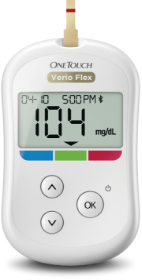
The OneTouch Verio Flex is a Bluetooth-enabled device designed to help manage diabetes by monitoring blood glucose levels. This device syncs with the OneTouch Reveal app, available for both Apple and Android phones, to provide a comprehensive overview of your blood glucose data.
When you receive your OneTouch Verio Flex meter, a healthcare professional will likely assist you with the initial setup and provide some training to ensure you understand how to use the device effectively. The kit typically includes the meter itself, a lancing device, sterile lancets, a carrying case, and an owner’s manual.
To make the most of your device, it's recommended that you install the OneTouch Reveal app on your smartphone. This app will allow you to sync your meter, ensuring it displays the correct date, time, and time zone. The OneTouch website provides detailed instructions on how to set up your meter to sync with the OneTouch Reveal mobile and web apps.
Here are some general tips to ensure accurate readings:
The OneTouch Reveal app not only helps in managing your blood glucose levels but also provides personalized summaries of your blood sugar, visually presents data, and helps uncover patterns that might be missed otherwise. The app also allows you to share your progress with your healthcare team, making it a valuable tool for managing diabetes.
Remember, accurate blood glucose monitoring is crucial in managing diabetes effectively. Always ensure your device is correctly synced and displays the right date and time before taking a reading.
Frequently Asked Questions
How much does the OneTouch Verio Flex meter cost, and where can it be purchased? Are there any insurance or rebate options available to help with the cost?
The price of the OneTouch Verio Flex meter may vary depending on the retailer and location. It's commonly available at pharmacies, online stores, and through medical supply vendors. Insurance coverage for diabetes monitoring equipment differs, so it's advisable to consult with your insurance provider.
How does the OneTouch Verio Flex compare to other glucose meters available on the market in terms of accuracy, ease of use, and features?
The OneTouch Verio Flex is known for its simplicity, Bluetooth connectivity for syncing readings with a mobile app, and clear display. Comparatively, some meters may offer additional features like more extensive data storage or different connectivity options. Accuracy, ease of use, and specific features should guide the choice.
What are the common issues or error messages that users might encounter with the OneTouch Verio Flex meter, and how can they be resolved?
Common issues may include error messages due to improper insertion of test strips or inadequate blood samples. The manufacturer's guide and customer support can offer solutions to these problems, including how to correctly use the meter and troubleshoot operational issues.
Page 23 of 23